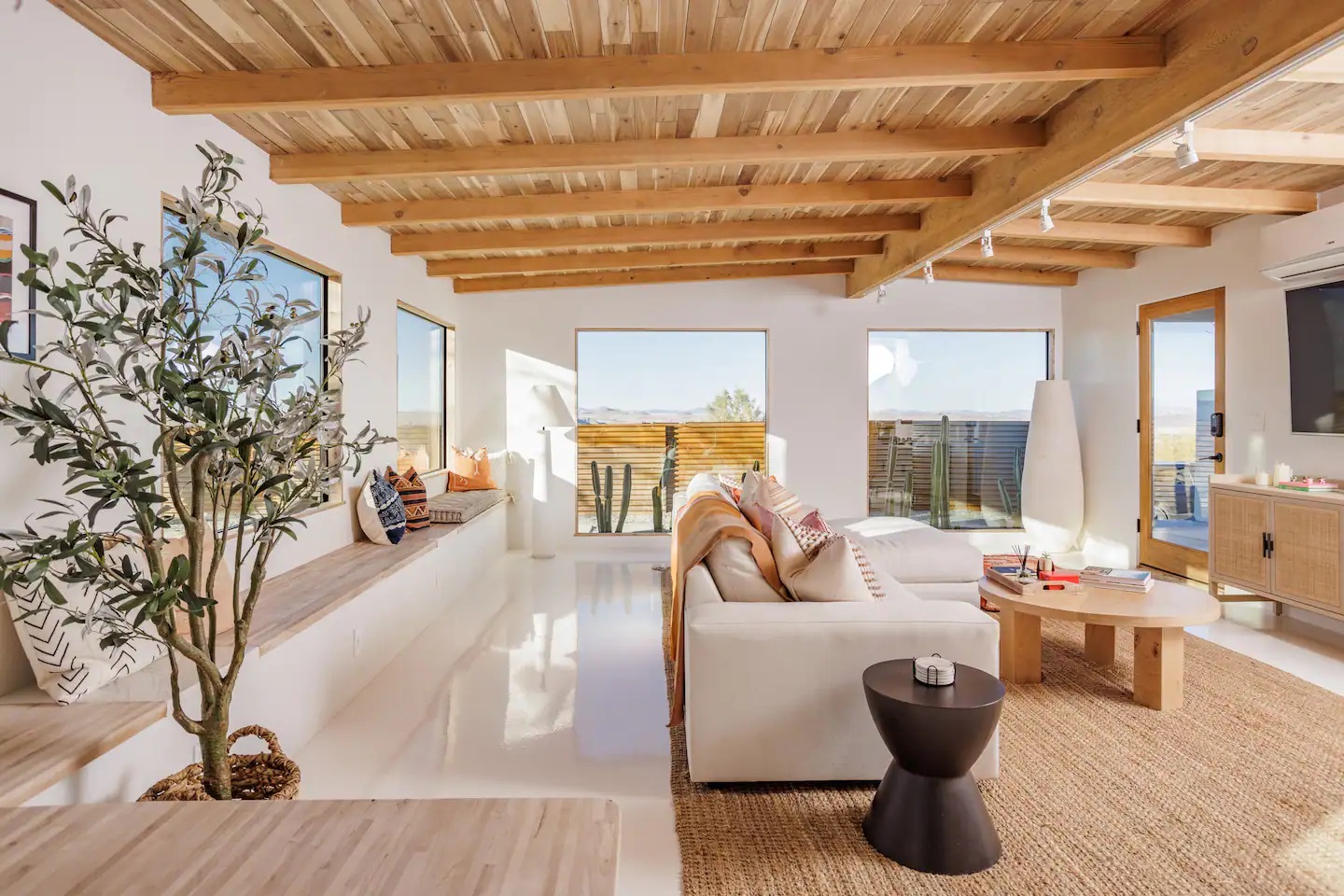
Built from materials that can be repaired.
Older buildings were often made of timber, lime, clay, and fiber, before synthetic materials were common. We still use those materials, because they can age and be repaired.
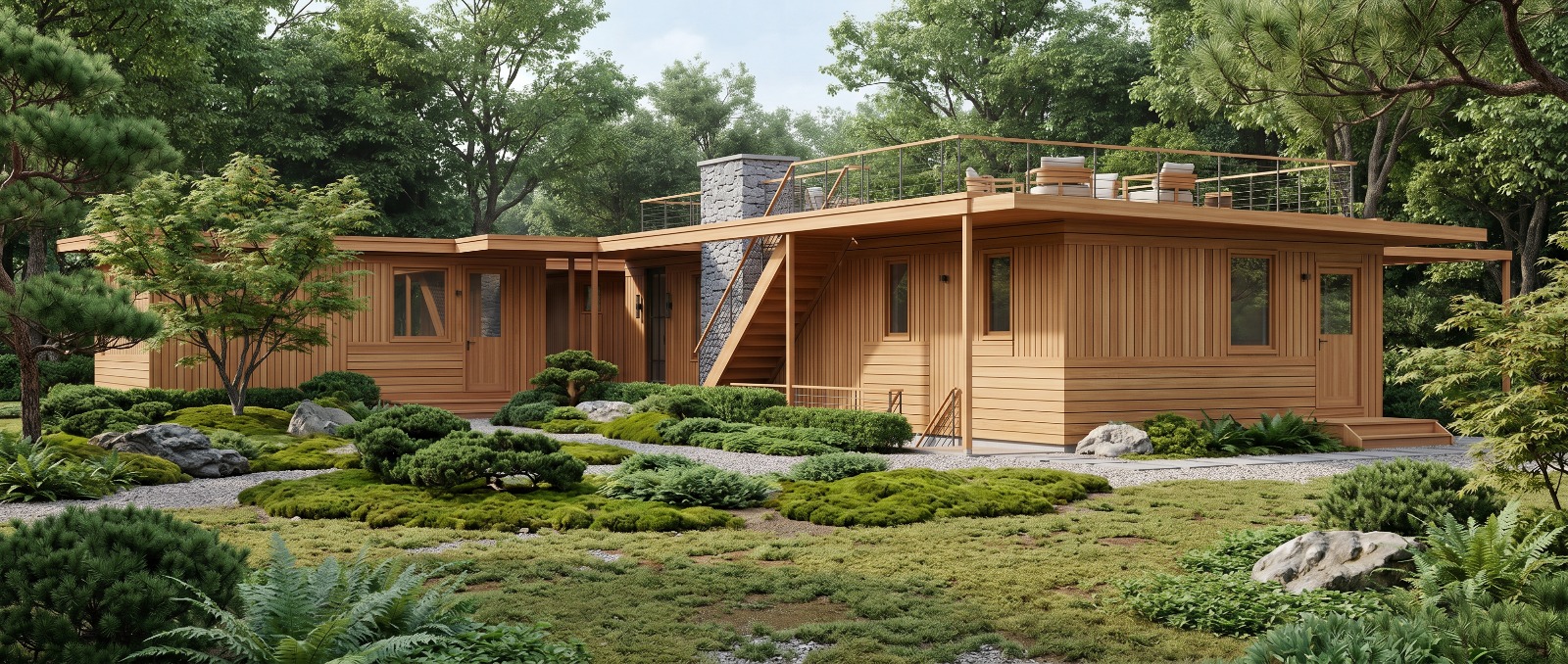
Materials we can maintain.
Linseed oil paint — Penetrates rather than films, so it can be maintained and recoated without stripping.
Lime plaster and hempcrete — Hygroscopic wall systems that absorb excess humidity and release it, helping to regulate the interior.
Straw and wool insulation — Biogenic and permeable to vapor. They insulate and also take up and release moisture.
Locally sourced and reclaimed timber — Solid timber from local mills and salvage, with tight grain, can be repaired in place.
About sustainable and biogenic construction.
Are biogenic materials more expensive than conventional ones?
Some cost more at the start, and some do not. The comparison we make is over the life of the house, not only the first invoice. Linseed paint can be recoated without stripping. A wall that can dry is less likely to need to be opened up later. We help clients make these comparisons plainly.
How energy-efficient are your homes?
We design for low energy use from the start: good orientation, high-performance windows, thorough insulation, and a continuous air barrier. Our walls let water vapor pass so they can dry, while stopping bulk air and water. Energy recovery ventilation brings in fresh, filtered air and keeps the heat you've paid for. The result is a house that uses less energy, with materials that can be repaired.
Can I get a healthy home without a large budget?
Yes. A smaller, well-organized house with repairable materials often costs less to build and maintain than a larger one. A compact plan is how we try to keep that within reach.